Interview: Dawn Carmen Sibor
Shop Talk by Kitty Kaufman
Dawn Carmen Sibor is emergency preparedness coordinator for the Brookline Health Department. She heads up Brookline's Medical Reserve Corps. Part of a federal program, the MRC serves in times of emergency and assists with local public health needs. Brookline's MRC, one of the first in the state, has been readying emergency preparedness teams since 2005. She talked to Kitty Kaufman about how the group works and the urgent need for more members this fall.What is the Brookline Medical Reserve Corps (MRC)?
It's a group of volunteers with many areas of expertise who want to help during large-scale public health emergencies. The MRC could dispense medication to a large group in a short amount of time and assists with flu clinics and events like the Marathon.
Who are your volunteers?
We recruited nurses first. Then we looked for physicians and behavioral health professionals. We have 200 active members half of whom are medical. Some members come from the Community Emergency Response Team (CERT). People volunteer for a variety of reasons: to give back to the community but mostly they want to be proactive in a national or local crisis.
What training do you offer?
We have trainings for setting up emergency dispensing sites, incident command, CPR, and first aid as well as Lyme disease, behavioral health, working with children in an emergency, being prepared at home and others.
How do you ensure volunteers are ready?
We do practice sessions where we simulate what it's really like or could be like.
When do you activate?
Our non-emergency activations are for things like public health week and flu clinics. This fall, the Brookline MRC will be part of H1N1 activities which is why we need more volunteers.
When you open an emergency dispensing site, how does it work?
In addition to our regular trainings, we do just-in-time training on-site.
How ready are we?
Brookline takes emergency preparedness very seriously. We have great people working together: fire, police, EMS, the department of public works, building, IT, schools, and public health. We also coordinate closely with CERT.
You need volunteers?
We've been recruiting nurses, physicians, social workers, dentists, veterinarians and physical therapists. We need many more non-medical people too. One of my colleagues made an apt comparison: "In a doctor's office you have only one physician but behind them there's a big support staff."
What kind of commitment is a volunteer making?
There are people I see at every training session and others I see once in a while. There are people whom I never see who say, "In an emergency you can count on me." The commitment is what you want to make it. This fall it's very important that we enroll many more volunteers.
What's the best part of your job?
I work with great professionals. My volunteers bring a variety of skills and we get wonderful support from all town departments.
You serve healthy food at the meetings. But after all this is the Department of Public Health.
We want everyone to know they're appreciated.
Where do we sign up?
Send Dawn a note. . .
Fill out an application on our website: Brookline MRC
© This story first appeared in Our Town Brookline in 2008. It was updated in 2009 for the Brookline Tab.
Write to us:
Kitty@corp-edge.com
Share it on X Twitter:
Tweet
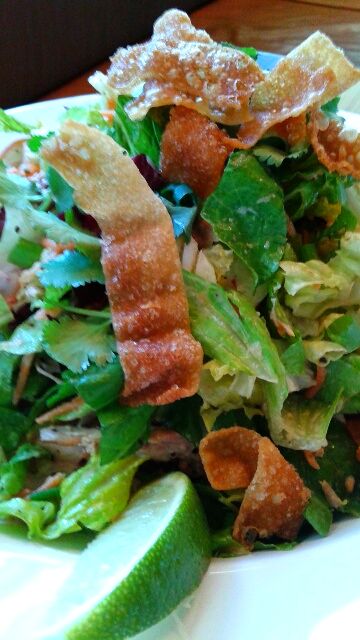 See Boston restaurant stories via One for the Table on Zomato
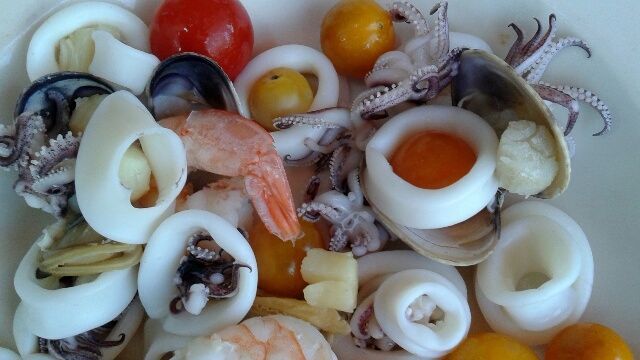 Locanda Del Lago in Santa Monica
Italian Western
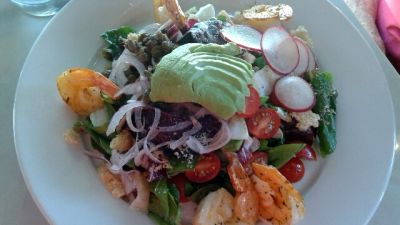 Santa Monica Seafood Cafe
Fine kettle of fish
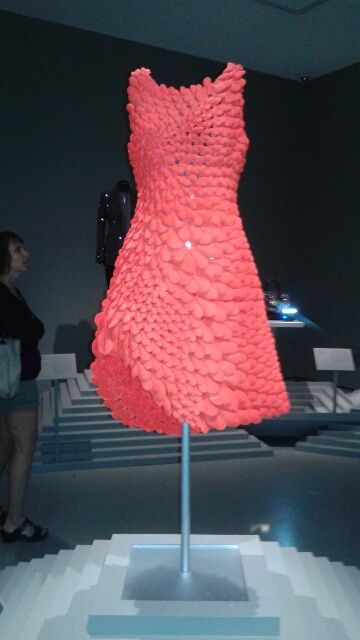 Boston Museum of Fine Arts
Food, and art
Ming's Blue Ginger Wellesley
Red hot and blue
 Deli after Dark Dedham
Yes, we have no meatballs
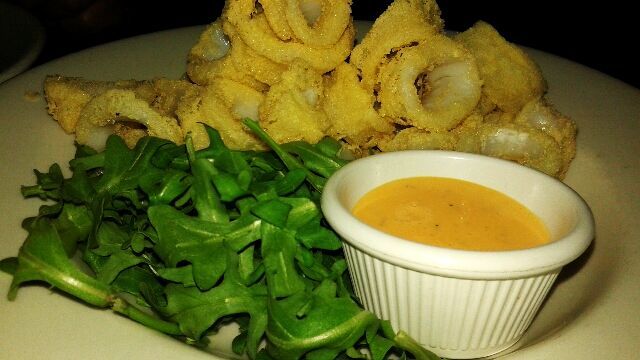 Sophia's Grotto
Meatballs and calamari in Roslindale
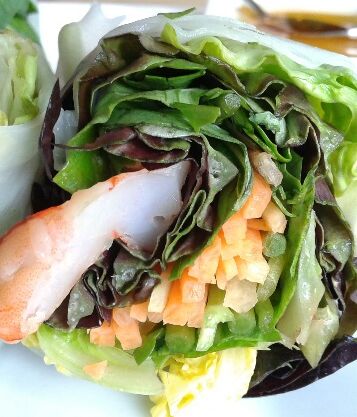 Pon Thai Bistro
Pon cooks with fire
 Island Creek Oyster Bar
Happy, happy new year
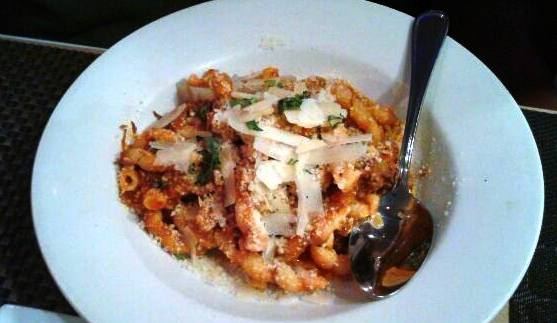 Amelia's Trattoria in Cambridge
New York state of mind
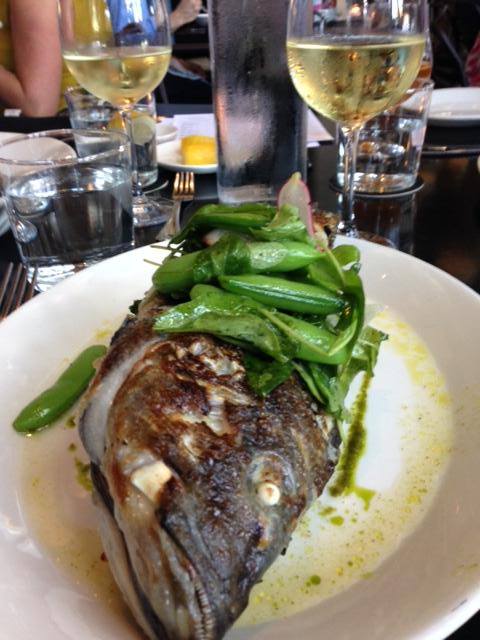 Cafe Sushi in Cambridge
Industry standard
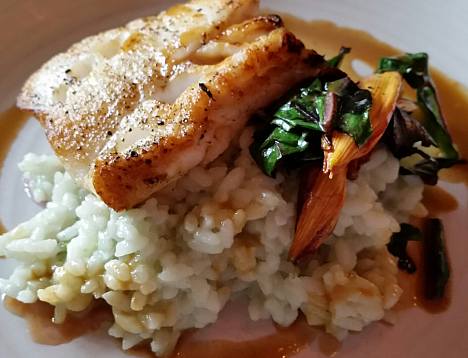 Black Trumpet in Portsmouth
Ta dah
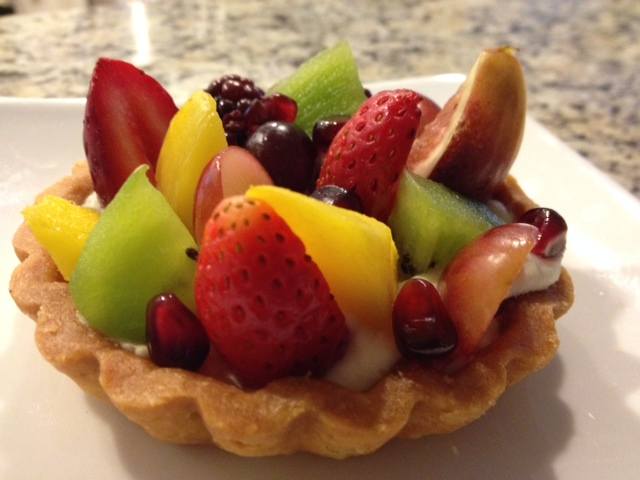 Flour Bakery
Eat dessert first
Kitty@corp-edge.com
Share it on X Twitter:
Tweet
See Boston restaurant stories via One for the Table on Zomato
Locanda Del Lago in Santa MonicaItalian Western
Santa Monica Seafood CafeFine kettle of fish
Boston Museum of Fine ArtsFood, and art
Ming's Blue Ginger WellesleyRed hot and blue
Deli after Dark DedhamYes, we have no meatballs
Sophia's GrottoMeatballs and calamari in Roslindale
Pon Thai BistroPon cooks with fire
Island Creek Oyster BarHappy, happy new year
Amelia's Trattoria in CambridgeNew York state of mind
Cafe Sushi in CambridgeIndustry standard
Black Trumpet in PortsmouthTa dah
Flour BakeryEat dessert first